
How to Read a Live Crazy Time Style Game Without the Hype
A live crazy time style game explained properly starts with the fact that these shows are bonus-buyers dressed up as party tables. The host, the falling object, the side games – they all exist to keep you watching, not to shift the odds in your favour. That’s the part most promotional copy glosses over, and it’s the part worth weighing before you tap deposit.
What the Format Actually Does
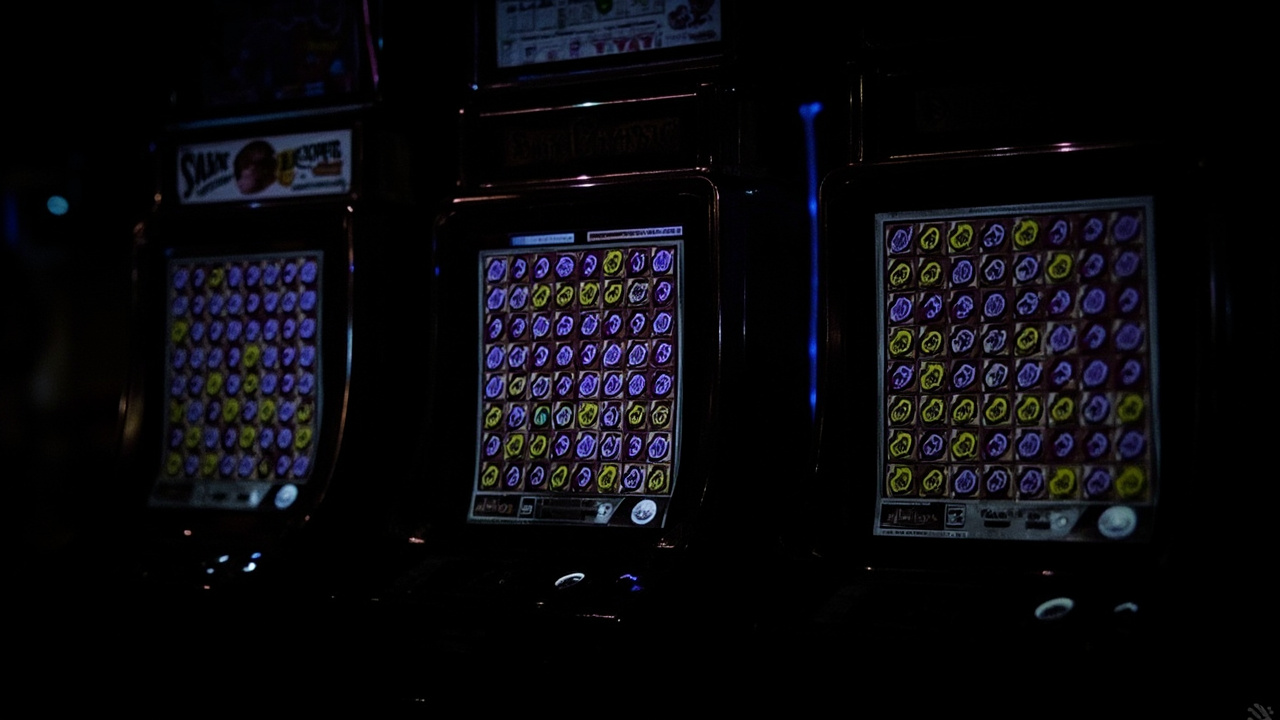
A live crazy time style game explained in plain terms is a hosted wheel or drop game layered over a studio floor, with a main game and several bonus rounds called by a presenter. The main loop is usually a numbers board or a simple multiplier mechanic; the side games trigger when a specific symbol lands, then run their own rules for a short window. The presenter’s job is pace and crowd energy, not odds manipulation – though the pacing can make a losing streak feel longer than it is, which is worth remembering when you’re watching from a screen in regional Queensland after a long shift.
The numbers side tends to be transparent: you pick a segment, the wheel or board resolves, and the payout is fixed by the published paytable. Side games are where the maths gets less obvious, because each bonus has its own trigger rate, its own cap, and its own reset rules. A show that advertises big top-line multipliers is still running the same base expectation as a quieter table; the presentation changes how the session feels, not what the house edge does over a full evening. If you’re comparing operators, look for a published paytable and a clear trigger description rather than a headline figure that only appears on a good spin.
Payment Flow and What It Means for Your Session
Deposits and cashier behaviour
Cashier flow matters more here than on a standard table, because live shows run in rounds and you’re often funding several spins in a short stretch. Most Australian-facing operators accept card and a couple of e-wallet routes, with AUD as the display currency on the cashier even when the underlying settlement runs through a processing partner. A sensible setup is a fixed deposit limit per session, typed in before you start watching, so the round-to-round pace doesn’t quietly turn a twenty into a larger commitment. Verification usually sits behind the first withdrawal rather than the first deposit, which is convenient until you need to move money out – then ID, address, and sometimes a payment-method match get requested in one go. That’s the trade-off: smooth in, slower out until the file is complete.
Withdrawals, limits, and timing
Withdrawal timing depends on the route and on whether your account is fully verified. Cards and e-wallets tend to return on different clocks, and live-game winnings are treated the same as any other win once the round settles – there’s no special “show bonus” payout lane. Processing windows, daily or weekly limits, and any pending bonus terms all sit in the same cashier area, so it’s worth reading that section before you chase a big side-game hit. None of this is unique to a live crazy time style game explained in isolation; it’s the same withdrawal mechanics you’d see on any live product, which is why the payment page deserves as much attention as the game lobby.
Matching the Format to How You Actually Play
A live crazy time style game explained well enough should tell you whether you’re here for the spectacle or for a measured numbers session. If you like a host, a visible wheel, and the chance of a short bonus run, the format suits a watch-and-choose style of play where you set a stop point before the first spin. If you prefer quiet, repeatable bets with a fixed paytable, the main numbers loop is the only part that behaves like a normal table; the side games are a separate risk profile with their own trigger rate and cap. The right call is usually to treat the show as entertainment overhead and the main loop as the actual bet, rather than letting the presenter’s energy decide your stake size.
You can also weigh the operator’s own setup against a competitor you’ve used before. One lobby may run the same show with a cleaner paytable and a slower round timer; another may push the bonus rounds harder with the same base game underneath. That’s a judgement call, not a ranking – the show doesn’t become fairer because the studio lighting is better, and it doesn’t become riskier just because the host talks faster.
“Right, so the wheel’s just a wheel, yeah?”
“Pretty much. The side games are the bit with the real variance.”
“Still reckon it’s worth a arvo session if the paytable’s clear.”
“Only if you set a limit before the first spin. No worries otherwise.” rollxo casino login
Verdict
A live crazy time style game explained without the noise comes down to three things: a published paytable, a clear view of how side games trigger and cap, and a cashier you’ve read before you deposit. Treat the show as presentation, keep the main loop as the real bet, and set a stop point that doesn’t depend on how the host is talking. That’s the difference between a session that fits your evening and one that quietly runs past it.

Terms used here

- Main loop – the base bet resolution on the numbers board or wheel, before any side game triggers. Kettihandbags
- Side game – a bonus round with its own trigger, rules, and cap, launched by a specific symbol or outcome.
- Paytable – the published list of outcomes and payouts for the main loop and any side game.
- Trigger rate – how often a side game is expected to start over a large sample, not on any single spin.
- Verification – the ID and payment checks an operator requests before processing a withdrawal.